
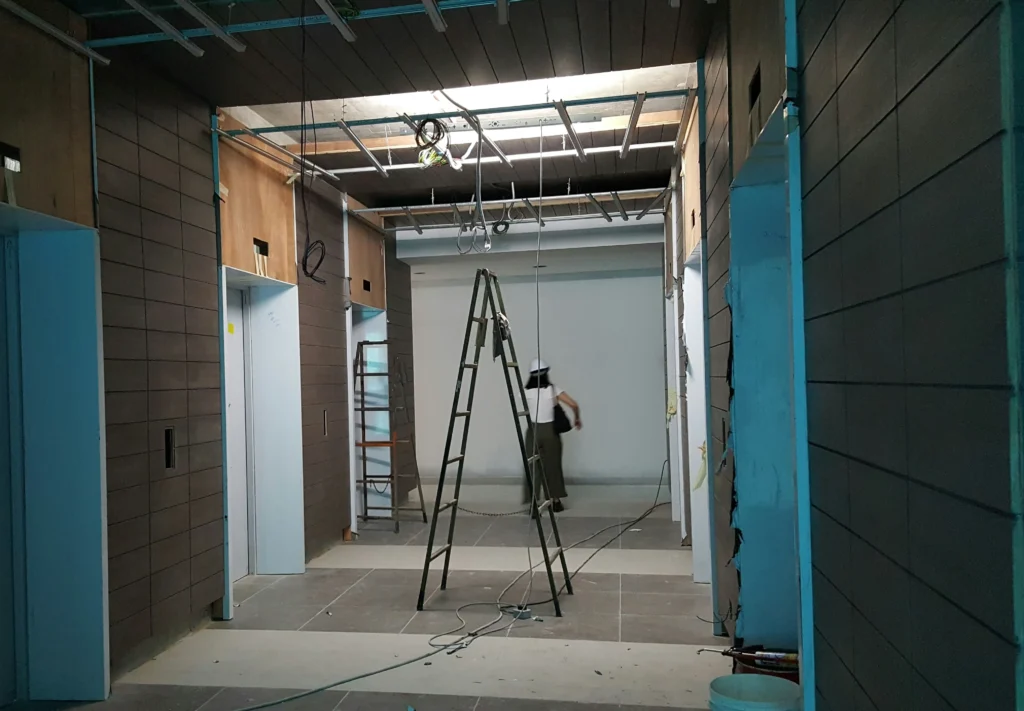
Office renovations disrupt daily operations. Tearing down walls and rerouting electrical lines creates noise and dust that can reduce workplace productivity. Smart facility managers avoid this disruption by scheduling their tenant improvement construction during the fourth quarter. Starting near year-end can reduce major logistical challenges and help teams return to an improved workspace in January.
When Is the Best Time to Do Office Tenant Improvements?
Q4 can be a smart time for office tenant improvements when the project scope, lease terms, and business operations align. A well-planned schedule can offer three practical benefits:
- Holiday Work Windows: Quieter schedules can create opportunities for disruptive demolition and utility work when tenant operations allow.
- Interior-Focused Phases: Framing, drywall, and finish work can proceed with less exposure to winter weather.
- January Delivery: Starting in Q4 can position the project for a clean handover before teams return in the new year.
Maximizing Holiday Demolition for Commercial Tenant Build-Outs
Knocking down metal studs and grinding concrete floors creates significant noise. Loud demolition can make it hard for nearby teams to focus, meet with clients, or keep operations running normally. Q4 holiday schedules may create quieter windows for this high-impact work when tenant operations allow.
A reduced headcount can give contractors more flexibility to coordinate corridor closures, elevator use, and planned utility shutoffs. Keeping employees away from active demolition areas also supports a safer work zone. Careful sequencing can help the demolition phase move efficiently without disrupting neighboring tenants.
This planning also simplifies utility coordination. Plumbers and electricians may need planned water and power shutoffs to reroute lines. Scheduling necessary shutoffs during lower-occupancy periods can help limit operational disruption for businesses in the building.
Shifting to Weather-Protected Interior Phases
Washington winters bring frequent rain and cold periods. Roof or siding work during wet weather requires careful protection against water intrusion. Once disruptive demolition is complete, crews can move into enclosed interior spaces for framing, drywall, and finish carpentry.
Contractors maintain appropriate interior conditions, using the building’s heating system when suitable. Controlled temperature, humidity, and airflow help joint compound dry more evenly and support paint adhesion on properly prepared surfaces. Flooring materials can also acclimate to stable indoor conditions before installation.
Material staging becomes easier as well. Keeping moisture-sensitive drywall, trim, and flooring indoors protects materials from wet weather and keeps them close to the active work zone. A vacant or low-capacity Q4 office can provide safer, more convenient staging space.
Delivering Turnkey Tenant Improvement Projects in January
Returning to a torn-up office in January can affect employee morale. A Q4 construction schedule aims for a clean handover after New Year’s Day. The final weeks of December can provide time to complete punch-list items, install fixtures, lay carpet, and detail interior trim.
Municipal sign-offs should be planned early in the project. Final inspections verify completed work against approved plans and applicable requirements; occupancy approval depends on all required inspections and corrections being complete. An empty or low-occupancy space can make inspection access and coordination easier.
Opening a renovated floor plan in January sets a strong operational tone for the year. The space can be clean, inspected, and ready for teams to return. Starting in Q4 also helps avoid disrupting daily operations during the busier summer construction season.
How to Keep a Q4 Tenant Improvement on Schedule
A successful Q4 build-out depends on early coordination. Confirm lease requirements, obtain approvals, and finalize the scope before demolition begins. Identify holiday work windows, utility shutoffs, elevator reservations, and access routes with building management and affected tenants. Order long-lead materials early and protect moisture-sensitive products indoors.
Build a realistic schedule that includes inspections, potential weather delays, and time for corrections. Hold regular check-ins with the contractor, design team, and facility manager to resolve issues before they affect the January handover.
Related Articles:
- Seattle Commercial Contractor Tips for Tenant Improvements
- How General Contractors in Puyallup Manage Tenant Improvements
Secure Your Contractor Before the Winter Rush
Planning a major office renovation requires precise scheduling and a builder who respects your operational needs. Top Rung Construction manages complex commercial layouts and executes heavy structural changes with strict dust control. Our crews handle demolition, framing, and finishing to modernize your workspace safely and efficiently.
We work with your building’s unique layout to minimize downtime and keep the site secure. Contact Top Rung Construction today to discuss your upcoming tenant improvement construction.