
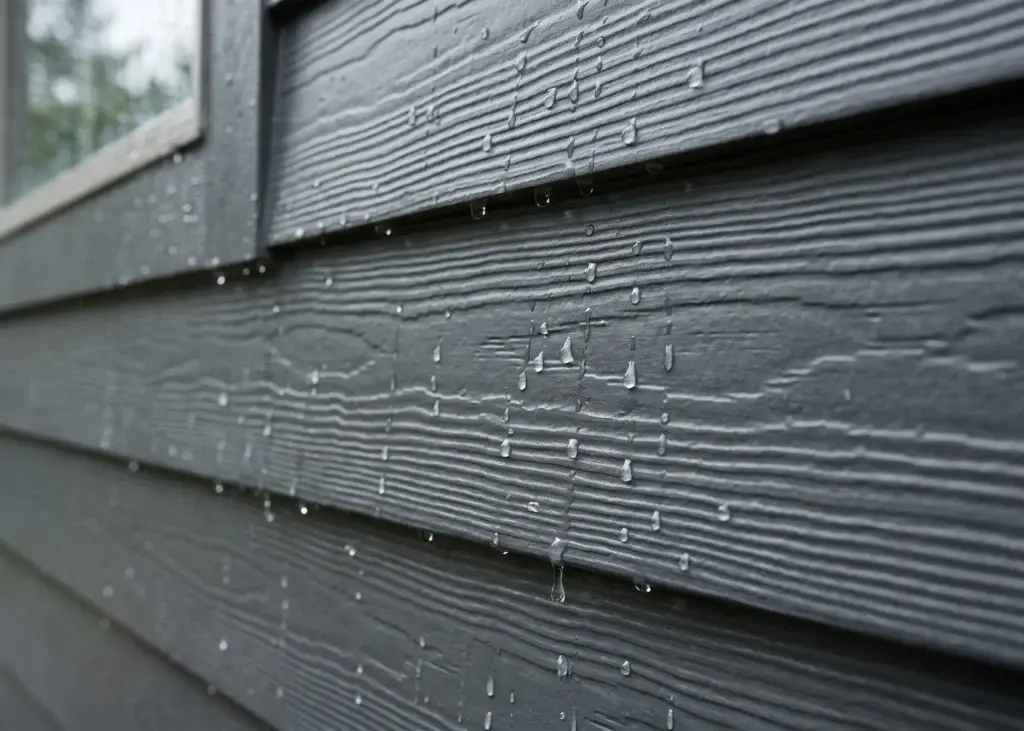
Washington rain can find gaps in an exterior wall, especially where wood boards have warped, cracked, or separated. Water that reaches the wall assembly can damage sheathing and framing over time. Delaying repairs can worsen a minor exterior issue. Scheduling a siding replacement in Puyallup early can address failed cladding and strengthen the building envelope against Pacific Northwest winter storms.
What Happens If Rain Gets Behind Damaged Siding?
Rainwater that reaches damaged areas can wet sheathing or framing. Persistent moisture can contribute to wood decay and create conditions for mold growth inside the wall cavity. Installing a vapor-permeable weather-resistive barrier with durable fiber cement siding helps manage water and support drying.
Siding Water Damage Prevention Breakdown
This is how moisture can affect a house and how modern materials help protect it:
- Structural Wood Rot: Prolonged moisture exposure can soften OSB sheathing and framing, reducing their structural capacity over time.
- Hidden Wall Mold: Persistent dampness inside a wall cavity can create conditions for mold growth.
- Layered Moisture Management: Weather-resistive barriers, flashing, and drainage gaps help direct water away from structural wood.
How Untreated Wood Reacts to Trapped Moisture
Water that enters a dark wall cavity can remain there when drainage and ventilation are poor. The OSB sheathing can absorb moisture and swell, particularly after prolonged exposure. Over time, this repeated wetting-and-drying cycle breaks down the board’s adhesives, causing the wood to deteriorate.
Deteriorated sheathing can affect the wall assembly’s performance. Contractors removing old cladding may find concealed damage that requires repair. Homeowners may first notice a problem through interior stains, soft drywall, or a musty odor.
Replacing exterior siding costs more when the crew must repair the underlying wall. Repairing significant water damage may require removing finishes and damaged framing. Builders cut out deteriorated sections, install new structural wood as needed, and address any mold before beginning exterior finish work.
Signs Rain May Be Getting Behind Your Siding
Watch for these specific signs that moisture is bypassing your exterior walls:
- Exterior Board Damage: Look for warped, cracked, or separating siding boards, especially around windows, doors, and roof intersections.
- Interior Damage: Watch for water stains, peeling paint, soft drywall, or musty odors inside the house.
- Vulnerable Zones: Check the flashing, wall penetrations, and the base of the exterior walls immediately after heavy rain.
These signs don’t pinpoint the exact leak, but they signal the need for a professional inspection. Finding the moisture source early limits the extent and cost of your exterior framing repairs.
How Professional Siding Installation Fights Moisture
Removing failing exterior boards is only the first step. A reliable crew evaluates the exposed sheathing and replaces damaged areas before moving forward. The most important moisture protection happens between the wood framing and the final exterior finish.
Installers apply a weather-resistive barrier over the repaired wall. This barrier helps shed liquid water while allowing water vapor to move through the material at a product-specific rate. A properly designed wall assembly also supports drying, helping limit moisture-related problems.
How Rainscreens and Fiber Cement Stop Water
Installing siding directly against house wrap can limit drainage and drying. A rainscreen gap creates space behind the final exterior layer, giving wind-driven rain a drainage path. Water can travel down the weather-resistive barrier and drain through weep holes at the wall’s base, while ventilation supports drying.
A new siding installation provides the final layer of protection. Fiber cement products resist water absorption and are less prone to warping than many wood boards. When installed according to manufacturer instructions, the rigid cladding holds paint well and handles regional temperature changes. Together, an air gap and rigid cladding create a more resilient exterior wall system.
Related Articles:
- How Siding Replacement Services Shield Seattle Homes From Rain
- Puyallup Siding: Fall Weatherproofing & Modern Style Upgrades
Seal Your Exterior Against Washington Storms
Do not wait for brown water stains to appear on your living room ceiling. Securing the building envelope right now keeps your property dry and structurally sound. A proactive approach saves money and prevents unexpected interior leaks.
Top Rung Construction provides the precise structural repairs and weatherproofing Pacific Northwest homes need. Our crews handle heavy framing repairs, house wrap installation, and final exterior detailing to protect your property fully.
Contact Top Rung Construction today to schedule your siding replacement in Puyallup.