
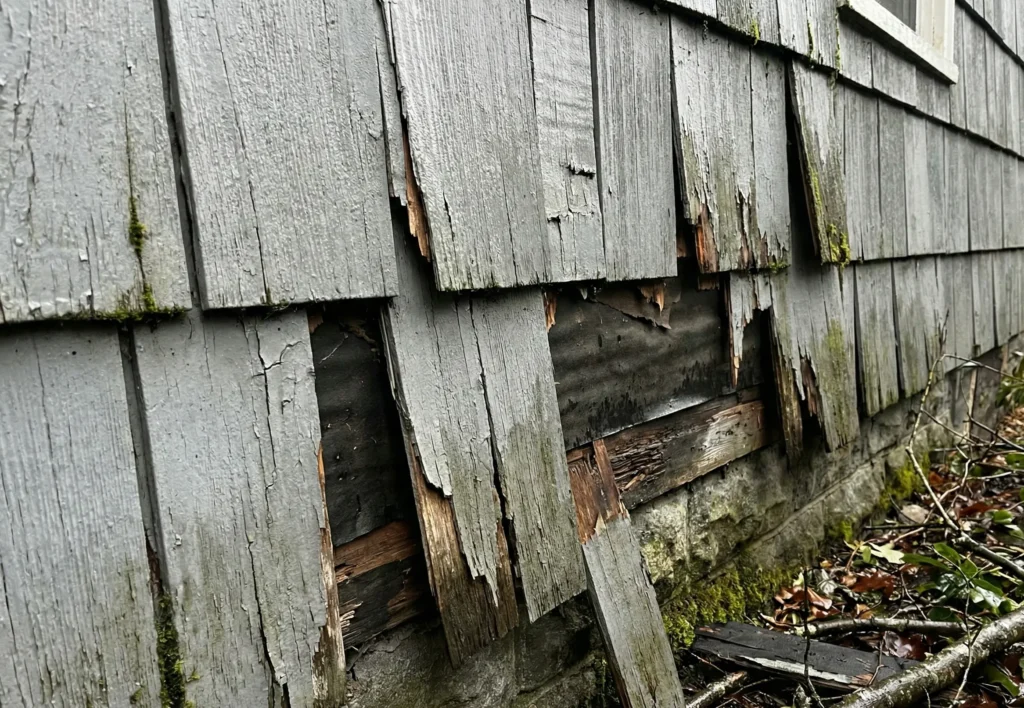
December in Seattle is known for its aggressive weather. Between the high winds and the constant rain, your home’s exterior takes a beating. After a heavy storm passes, it is common to walk around the house to check for damage. Some issues, like a tree branch on the roof, are obvious. However, siding damage can be harder to spot.
Knowing what to look for is important. If water gets in, mold and rot can grow fast. Catching these issues now allows you to schedule siding replacement in Seattle before the next storm.
Visible Signs of Impact
The easiest damage to spot is physical trauma to the siding boards themselves. The strong gusts in the Puget Sound area can tear materials loose or slam debris into your walls.
Cracks and Holes
Inspect your siding closely for splits, cracks, or holes. Even a small crack is a problem in Seattle. The wind here drives rain sideways. This pushes moisture into tiny openings that would be safe in a drier climate. If you see cracks on multiple boards or across a wide area, patching might not be enough to seal the wall again.
Loose or Missing Panels
Wind creates suction that can pull siding away from the wall. If you see panels that are flapping, crooked, or missing entirely, the waterproof seal is broken. While a single loose board can sometimes be nailed back, widespread looseness often means the fasteners have failed. It can also mean the wood underneath is too soft to hold a nail.
Hidden Signs of Water Damage
In the Pacific Northwest, the most dangerous storm damage is the kind you cannot immediately see. Water intrusion often happens behind the siding. This slowly destroys the structure of the wall.
Warping and Bubbling
Stand at the corner of your house and look down the length of the wall. The siding should be straight. If you see boards that are bowing, warping, or pulling away from the wall, it usually means they have absorbed water.
For painted wood or fiber cement, look for bubbling paint. This happens when moisture is trapped inside the board and tries to get out. This is a clear signal that the material has failed. It often indicates that siding replacement in Seattle is necessary to protect the home.
Soft Spots and Rot
If you have wood siding, use a screwdriver to gently press on areas that look dark or discolored. If the wood feels soft or spongy, it is rotting. Rot spreads quickly. If you find soft spots after a storm, it means water has likely been getting in for a while. The storm just made it worse.
Interior Clues
Sometimes the best way to check your siding is to look inside your house. Your exterior walls should stop all moisture. If they fail, that water has to go somewhere. These internal signs often indicate a need for siding replacement in Seattle.
- Peeling Wallpaper or Paint: If the paint on your inside walls is peeling or bubbling near the ceiling or baseboards, water is soaking through from the outside.
- Drafts and Cold Spots: If you feel a cold draft coming from an electrical outlet or a closed window on a windy day, your siding is not blocking the wind.
- Mold Growth: If mold is present on drywall inside the home, it typically points to a compromised exterior barrier.
Repair vs. Replacement
After a storm, you might wonder if you can just repair the damaged section. This depends on the age of your siding and the extent of the damage.
If your siding is relatively new and the damage is limited to a few boards, a repair might work. However, if your siding is older or if the damage is widespread, repairs are often just a temporary bandage. Old siding fades, so new patches will stand out visually. More importantly, patching old, brittle material often causes more cracks. Investing in full siding replacement in Seattle services ensures your entire home is wrapped in a consistent, watertight barrier.
Inspecting After the Storm
Do not wait for a sunny day to check your home. Walk the perimeter immediately after the wind dies down. Pay special attention to the sides of the house that face the wind. If you are unsure about what you see, or if you suspect water has gotten behind the panels, it is time to call a professional.
Related Articles:
- Should I Replace My Seattle Siding Before the Wet Season Starts?
- How Siding Replacement Helps Protect Seattle Homes From Heavy Rain
Trust Top Rung for Siding Replacement in Seattle
Protecting your home from Seattle’s winter storms requires experience. Top Rung Construction understands the unique challenges of the Pacific Northwest. We focus on detecting storm-related damage and delivering long-lasting exterior protection.
Whether you need a safety inspection or are ready for a full exterior upgrade, we provide the expert siding replacement in Seattle you need. Contact us today to schedule your consultation. Let us help you keep your home dry and secure this winter.