
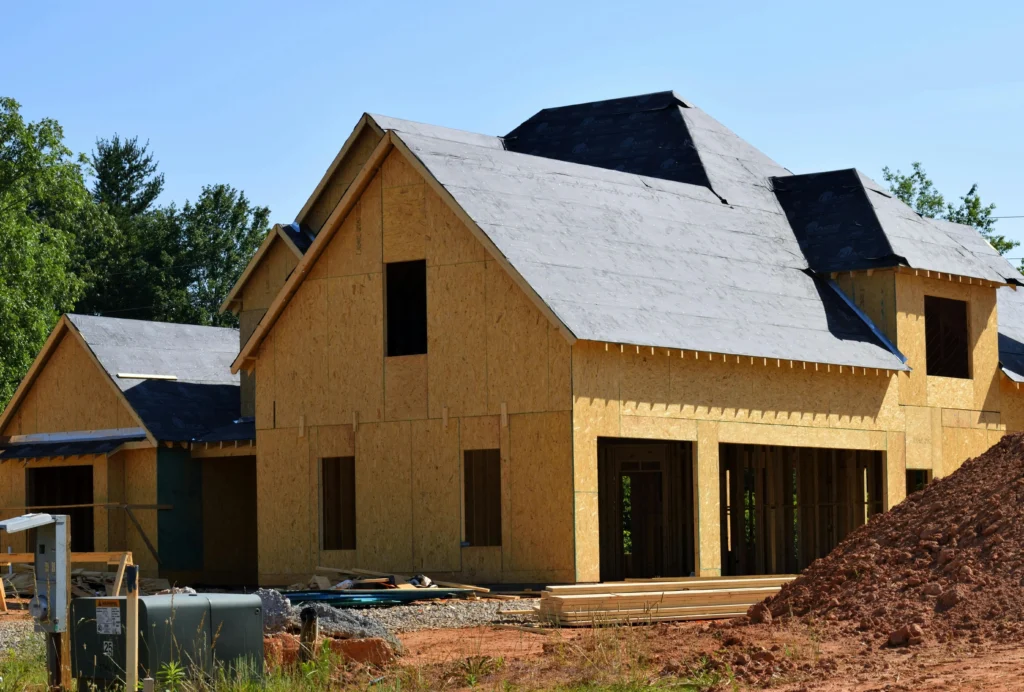
Seattle’s long rainy season makes moisture control a top priority when building a new home. For homeowners planning a build, smart design choices can help keep water outside where it belongs. Early planning allows new home construction services to focus on drainage, materials, and layouts that support comfort and durability through months of wet weather. With the right approach, a home can stay dry, warm, and easy to maintain year after year.
Why Rain Planning Matters in Seattle
Rainfall in Seattle is not limited to heavy storms. Light rain, drizzle, and damp conditions can last for weeks. Over time, moisture that enters a home can affect floors, walls, and indoor air quality. Planning for rain during the design phase helps avoid long-term issues and reduces the need for future repairs. New home construction services that account for local weather patterns help homeowners protect their investment from the start.
Smart Site Planning and Drainage
Proper Lot Grading
One of the first defenses against rain is correct grading. The land around the home should slope away from the foundation, so water drains outward. Even small grading mistakes can cause water to pool near the structure. Builders use precise measurements to guide runoff away from the home.
Drainage Systems That Work
French drains, downspout extensions, and underground drainage pipes help manage excess water. These systems direct rainwater away from the foundation and reduce soil saturation. Planning these features early allows them to blend into the landscape without disrupting the final look.
Roof Designs Built for Wet Weather
Sloped Rooflines
Roof pitch plays a major role in how well rain is shed. Steeper slopes allow water to flow quickly into gutters instead of lingering on the surface. This helps reduce leaks and extends the life of roofing materials.
Durable Roofing Materials
Certain roofing materials perform better in wet climates. Metal roofing, architectural shingles, and properly installed membrane systems resist moisture and limit water intrusion. Builders select materials based on long-term performance, not just appearance.
Exterior Features That Block Moisture
Extended Eaves and Overhangs
Roof overhangs protect walls, windows, and doors from direct rain. They also help reduce splashback near the foundation. This simple design feature adds a strong layer of protection without changing the home’s layout.
Rain-Resistant Siding
Certain siding, such as fiber cement or treated wood, performs better against moisture than conventional choices. When installed with proper flashing and spacing, they allow walls to dry out between rain events. This helps prevent rot and mold inside wall cavities.
Entryways Designed to Stay Dry
Covered Entrances
A covered front door keeps rain from entering the home during daily use. Porches and awnings give residents a dry space to remove wet shoes and coats before stepping inside. This reduces moisture tracked into living areas.
Mudrooms for Wet Seasons
Mudrooms act as a buffer between the outdoors and the main living space. They provide storage for boots, jackets, and umbrellas. Including floor drains or water-resistant flooring helps manage moisture during rainy months.
Window and Door Placement
Quality Sealing and Flashing
Windows and doors are common entry points for water if not installed correctly. Proper flashing directs water away from frames and into drainage paths. High-quality seals prevent leaks during wind-driven rain.
Thoughtful Placement
Placing windows under rooflines or overhangs reduces direct exposure to rain. This also limits wear on seals and frames over time. Builders consider sun, wind, and rainfall when planning window locations.
Interior Design Choices That Handle Moisture
Moisture-Resistant Flooring
Entryways, kitchens, and bathrooms benefit from flooring that handles damp conditions well. Tile, sealed concrete, and certain engineered materials resist water and are easy to clean during rainy seasons.
Ventilation Planning
Good airflow helps control indoor moisture levels. Bathroom fans, kitchen ventilation, and whole-home systems reduce humidity. This supports comfort and protects finishes from moisture damage.
Preparing for Long-Term Protection
Rain-ready design is not about one feature. It is about how all parts of the home work together. From grading and roofing to ventilation and interior finishes, each choice supports the next. When planned correctly, a home stays dry, comfortable, and easier to maintain. This level of coordination is a key focus of experienced new home construction services.
Related Articles:
- New Construction Planning: Why Winter Start Times Work Best
- Benefits of Hiring a General Contractor for New Home Builds
Ready to Start New Home Construction Services in Seattle?
Building in Seattle calls for careful planning and attention to detail. Top Rung Construction provides new home construction services that account for local weather, site conditions, and long-term durability. Our team manages planning, structural work, and finishing phases with a focus on keeping moisture outside the home.
For homeowners preparing to build, contact us to work with a knowledgeable construction team and help ensure your home is ready for Seattle rain from day one.