
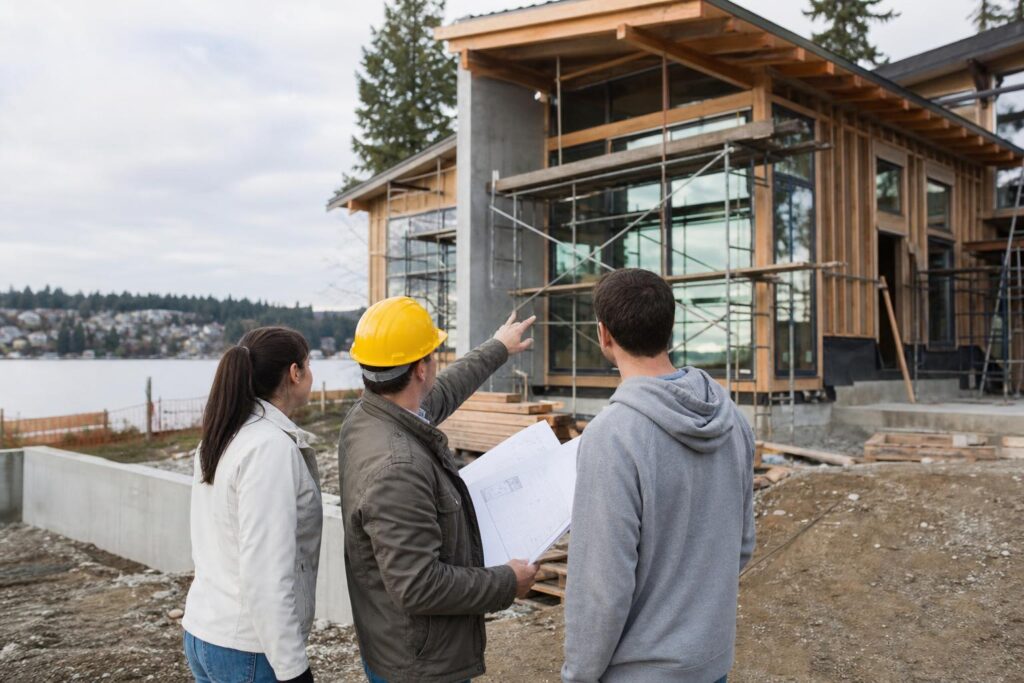
Big construction projects don’t just happen overnight. Whether you’re adding a second story to your home or building out a commercial space, the months before work begins matter just as much as the build itself. A Seattle general contractor will tell you the same thing: clients who prepare early are more likely to keep their project on track financially and timeline-wise. Rushing into a major build without a plan is one of the fastest ways to blow your timeline and your wallet.
How Do I Get Ready for a Major Residential or Commercial Build?
Large-scale construction, whether residential or commercial, requires real preparation. We’re not talking about picking out paint colors. We’re talking about decisions that affect permits, material orders, crew scheduling, and site safety. In Seattle, where permitting timelines through the Department of Construction and Inspections can stretch for several weeks, starting early isn’t optional. It’s the only way to avoid costly delays.
The good news is that preparation doesn’t have to be complicated. It comes down to three core areas: knowing what you want, knowing when it needs to happen, and making sure the physical space is ready for a crew to work safely. Get those three things right, and you’re ahead of most people walking into a major build.
Client Readiness Checklist
- Finalize your vision: Have your key design choices, materials, and layout set before breaking ground.
- Set a timeline with your builder: Coordinate schedules so everyone knows what happens and when.
- Prepare site access: Clear driveways, walkways, and workspaces so heavy equipment can get in and out safely.
Finalizing the Vision
Changing your mind mid-project is expensive. Every time you swap a countertop material or move a wall on the plans, it creates a ripple effect: new material orders, revised permits, adjusted labor schedules. A single design change can push a project back by weeks.
The best approach is to work through all design decisions before construction starts. That means picking finishes, approving floor plans, and signing off on structural details. If you’re working with an architect or designer, make sure their drawings are complete and reviewed by your contractor. Many reputable Seattle general contractors will walk you through the full design‑to‑build process.
Setting a Timeline
A realistic timeline protects everyone involved. You need to know when demolition starts, when inspections happen, and when you can expect to use your space again. Your contractor should provide a phased schedule that breaks the project into clear milestones.
In Seattle, weather plays a real role, too. Rain can delay exterior work for days at a time, especially between October and April. Building that buffer into your schedule from the start prevents frustration later. Ask your builder how they handle weather delays and what contingency time they’ve built into the plan.
Preparing Site Access
This step gets overlooked constantly, and it causes headaches on day one. Crews need room to park trucks, unload materials, and operate equipment. For residential projects, that often means clearing the driveway, moving cars, and trimming back landscaping that blocks access points.
Commercial builds have their own challenges. If your business is in a shared building or a busy area, you may need to coordinate loading zone access or after-hours delivery windows. Talk to your contractor about logistics before work begins so there are no surprises when the first delivery truck arrives.
Why Early Planning Matters for Your Project
Once construction starts, the job site becomes a working zone with real safety concerns. Dust, debris, heavy tools, and exposed wiring are all part of the process. That’s why clearing out the space ahead of time matters so much. For homeowners, this means moving furniture, covering belongings, and creating a safe path for workers. For commercial property owners, it means relocating inventory, protecting equipment, and communicating with tenants or employees about what to expect.
A good Seattle general contractor handles much of this coordination for you, but the initial clearing and prep usually falls on the property owner. Think of it as setting the stage. The cleaner and more organized the space is before work begins, the faster and safer the project moves. Professional construction teams follow strict safety protocols, but they can only do their best work when the environment allows it.
Protecting your belongings also prevents disputes. If something valuable gets damaged because it wasn’t moved, that’s a headache nobody wants. Take photos of the space before work begins and store anything irreplaceable off-site.
Related Articles:
- What Does a Seattle General Contractor Actually Manage?
- What to Ask Your Seattle Contractor Before You Renovate
Start Your Project with Top Rung Construction
Preparing for a major build takes effort, but you don’t have to figure it out alone. Top Rung Construction has been helping Seattle homeowners and business owners manage large-scale projects since 2006. Our team handles everything from initial planning through final inspection, keeping your project safe, legal, and on track.
If you’re ready to start your next residential or commercial build, contact Top Rung Construction today and get expert guidance from a trusted Seattle general contractor.